DISCOURS
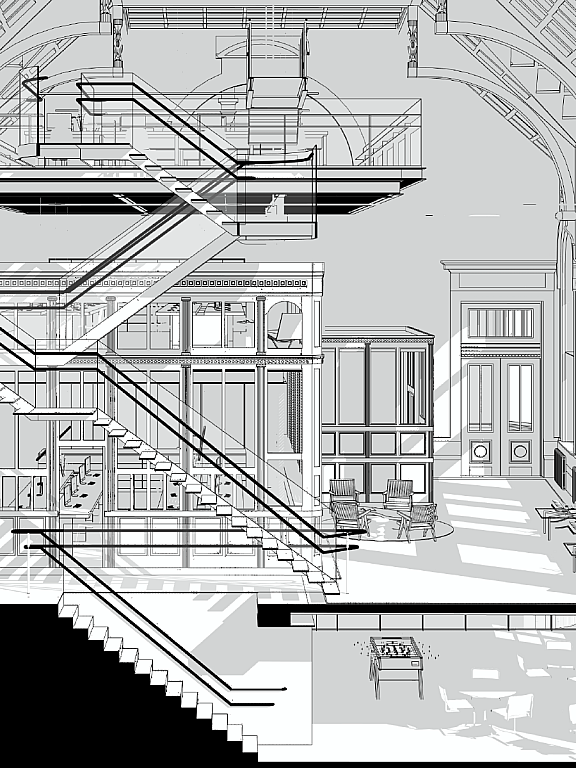
DISCOURS brings together sketches, drawings, photographs and fragments from both built and unbuilt projects. These materials reveal the observations, ideas and design process that shape the work of the practice.
Rather than being organised chronologically or by project, they are arranged around themes, intentions and recurring questions.
DISCOURS presents architecture as a continuous cycle in which ideas are tested, reinterpreted and developed over time.
DISCOURS brengt schetsen, tekeningen, foto’s en fragmenten samen uit zowel gerealiseerde als ongerealiseerde projecten. Deze verzameling biedt inzicht in de observaties, ideeën en het ontwerpproces die het werk van de praktijk vormgeven.
In plaats van chronologisch of per project geordend te zijn, is de collectie opgebouwd rond thema’s, intenties en terugkerende vragen.
DISCOURS presenteert architectuur als een voortdurende cyclus waarin ideeën worden onderzocht, herinterpreteerd en verder ontwikkeld doorheen de tijd.
Concrete villa
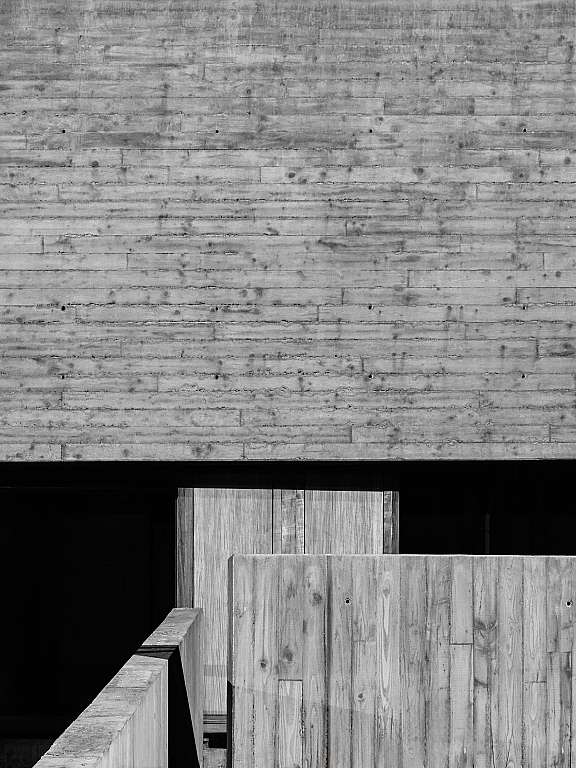
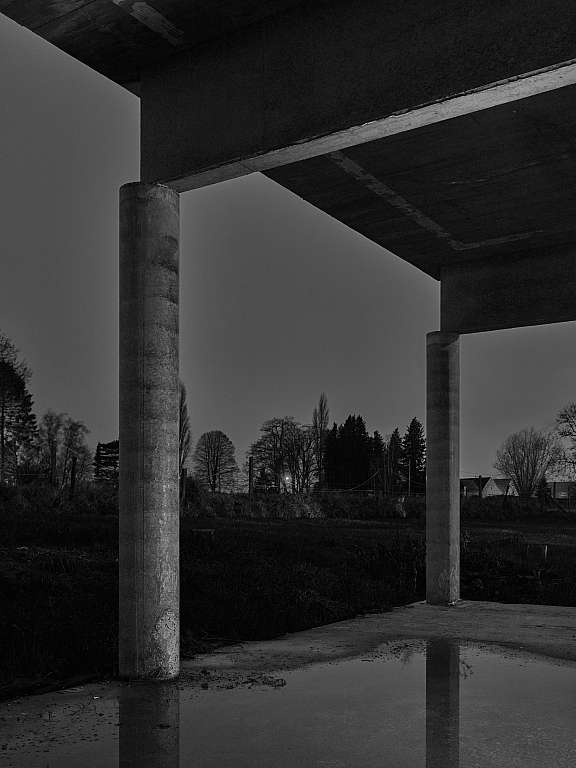
CONCRETE VILLA explores one of the most fundamental questions that runs throughout the work of the practice:
how can buildings adapt over time without losing their identity?
The project is conceived as a composition of permanent and adaptable elements. The concrete structure defines the enduring architectural order, while lighter interventions can evolve over time without compromising the identity of the building.
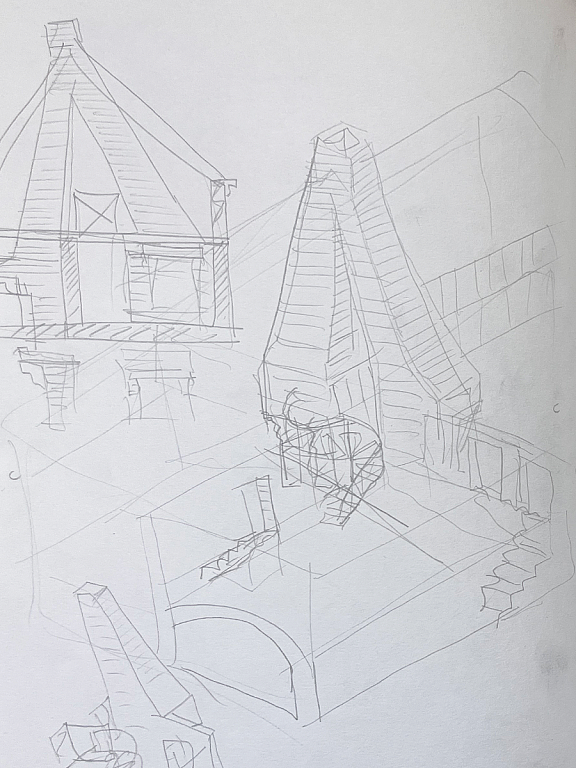
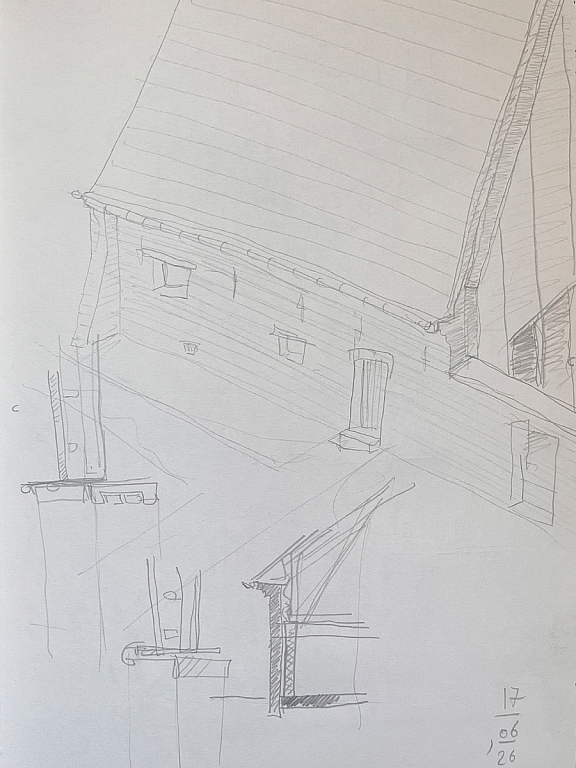
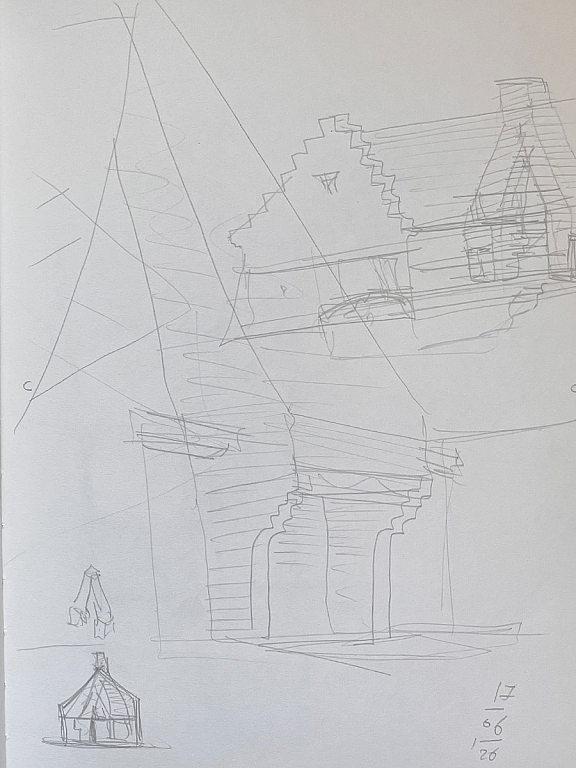
The sketches, photographs and fragments presented here reveal the ideas and design process behind the project.
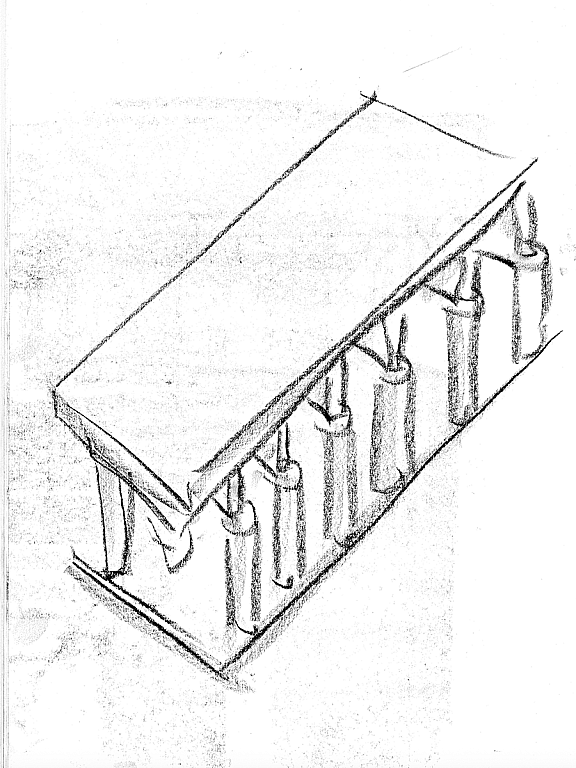
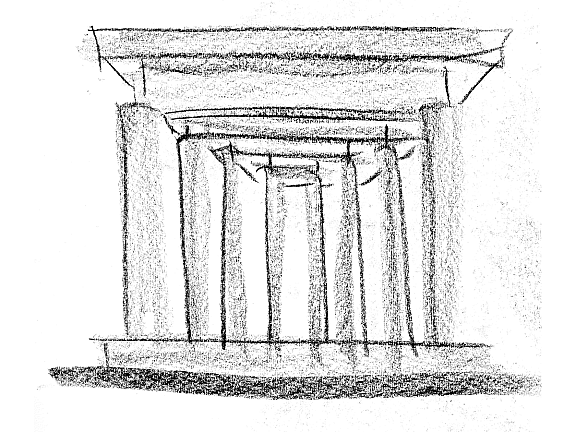
SKETCH BOOK
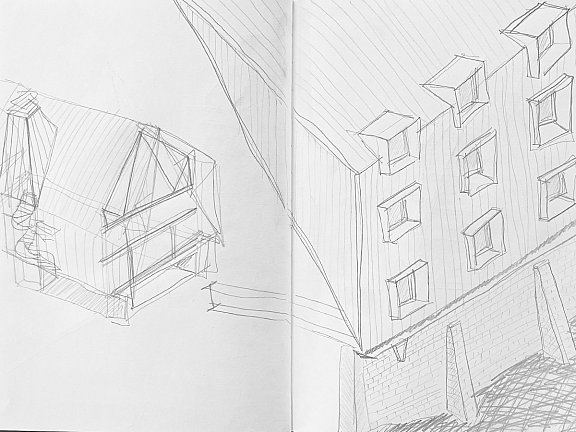
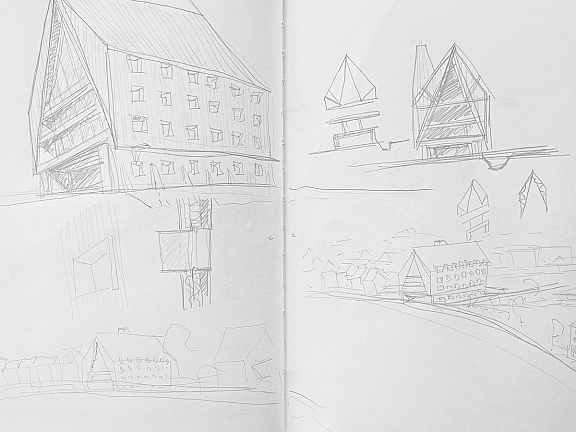
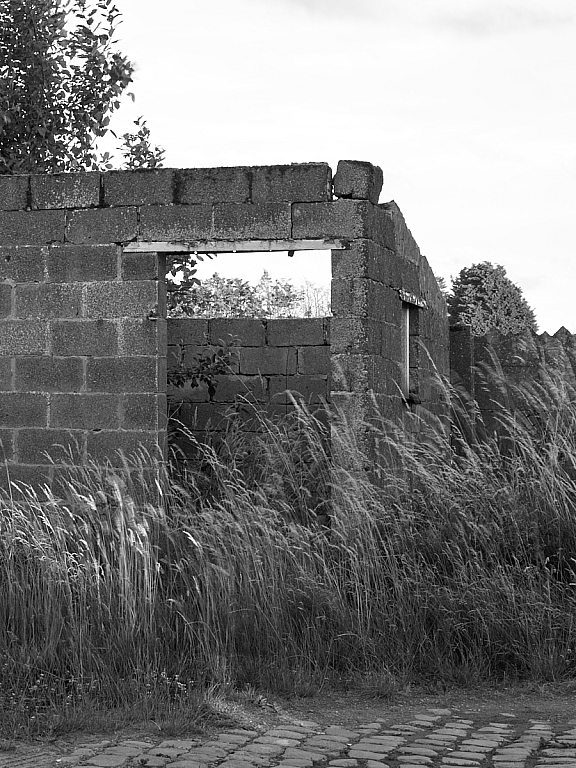
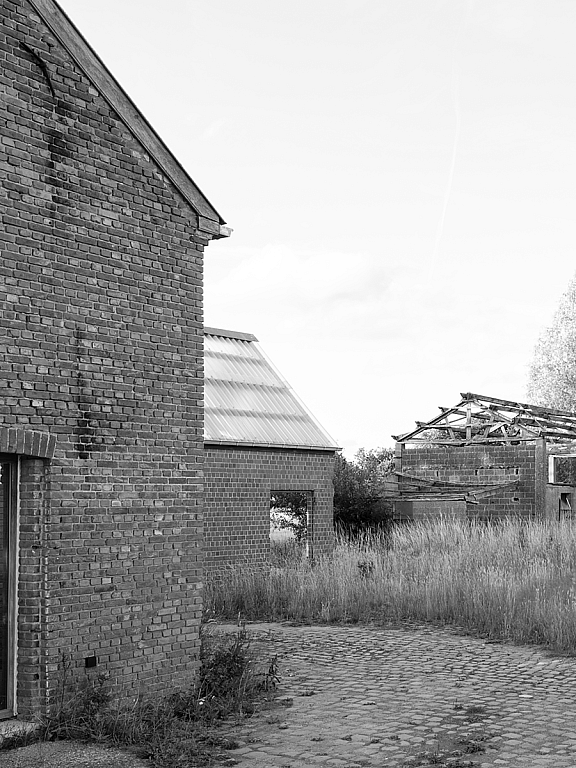
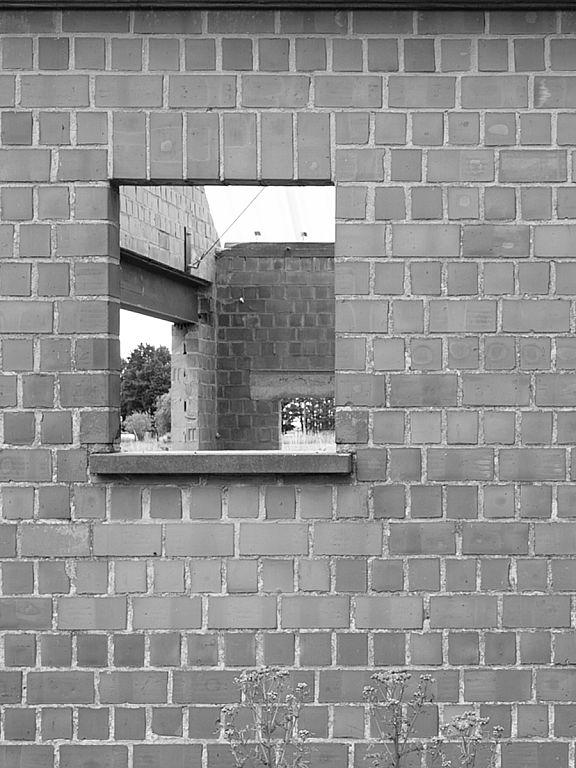
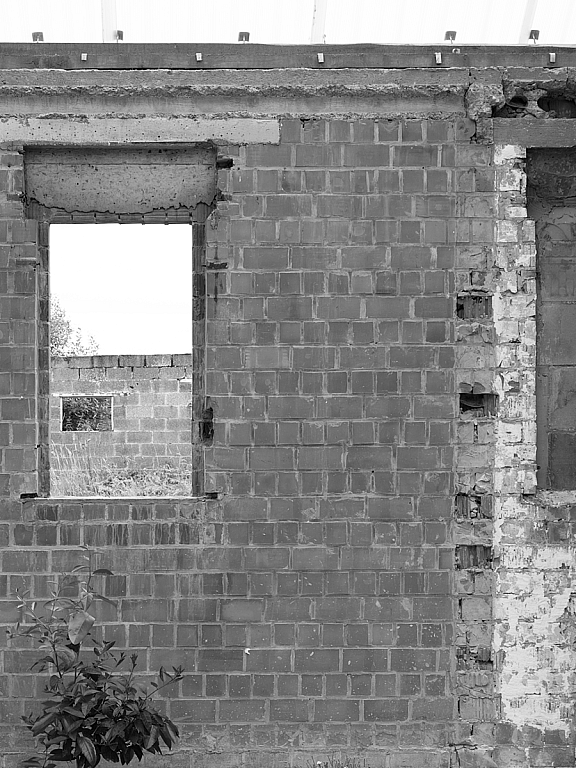
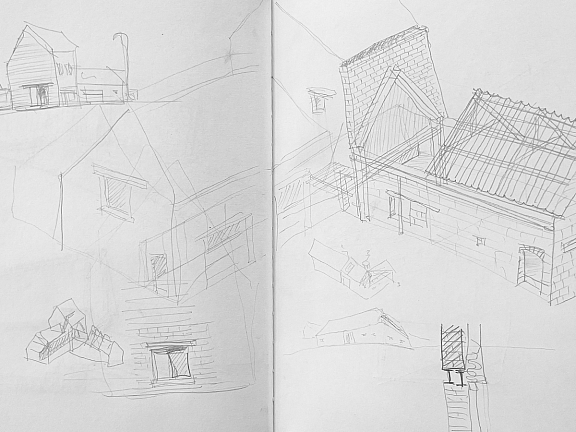
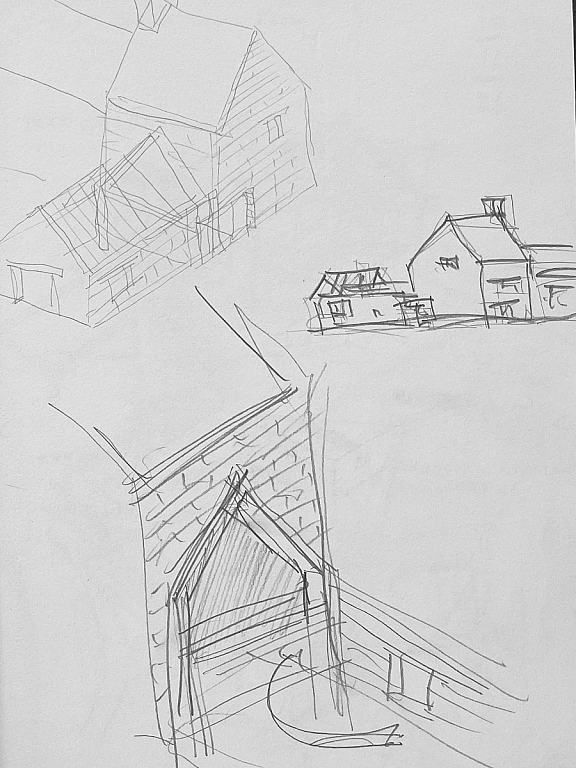
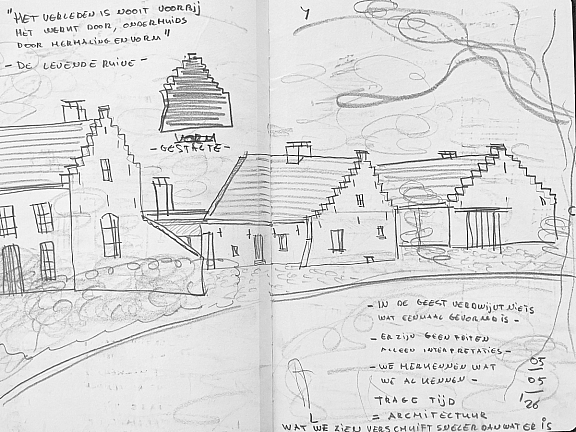
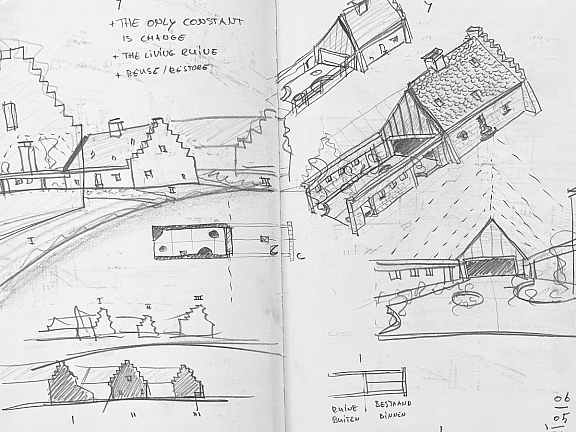
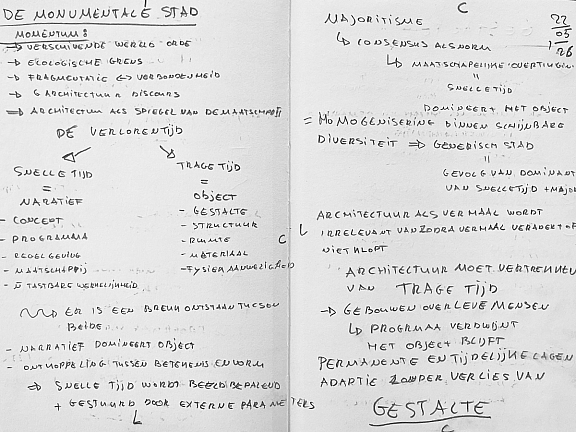
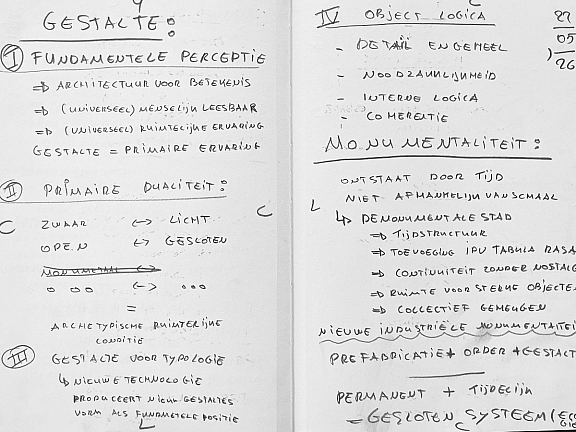
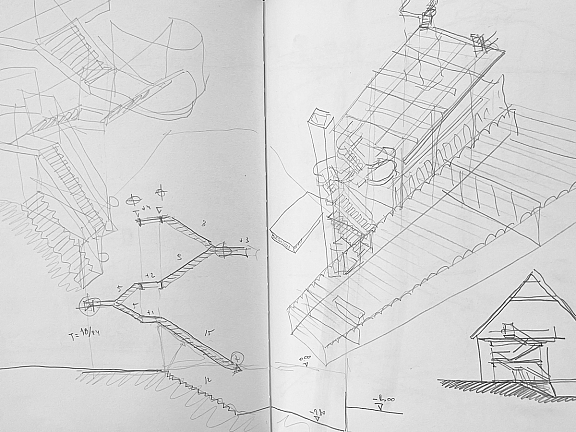
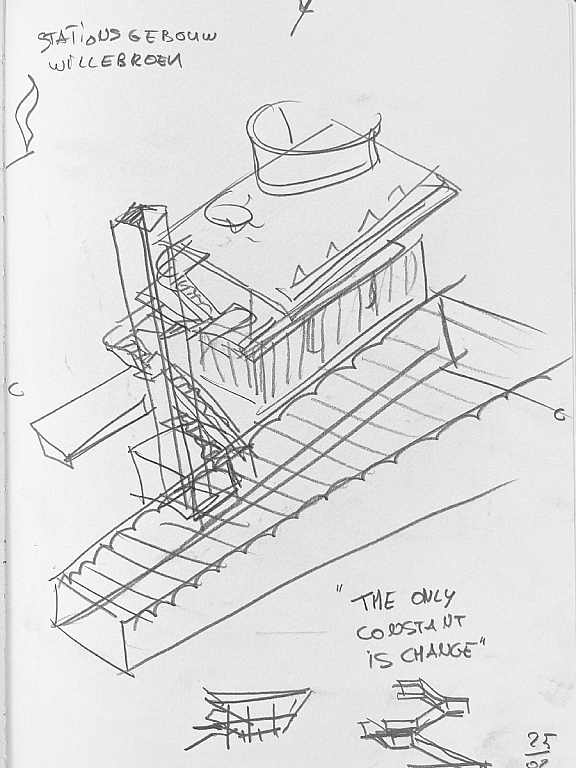
monumentality
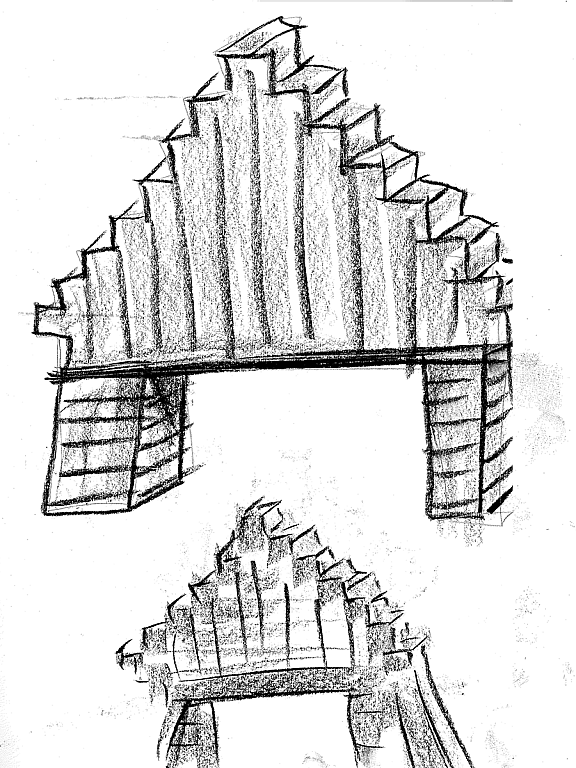
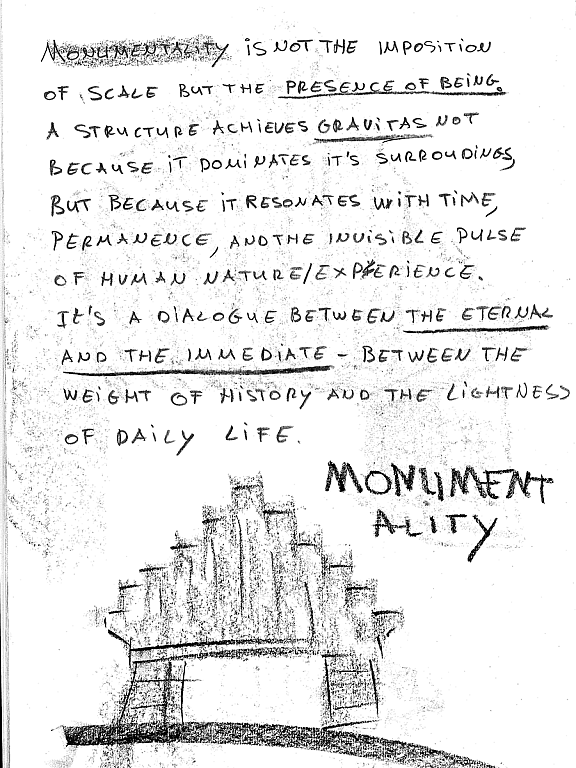
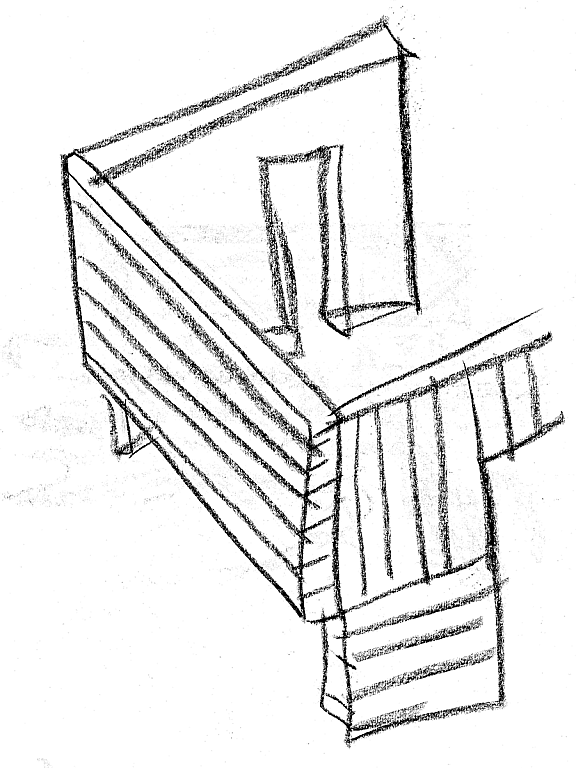
Sketch Studies 2505
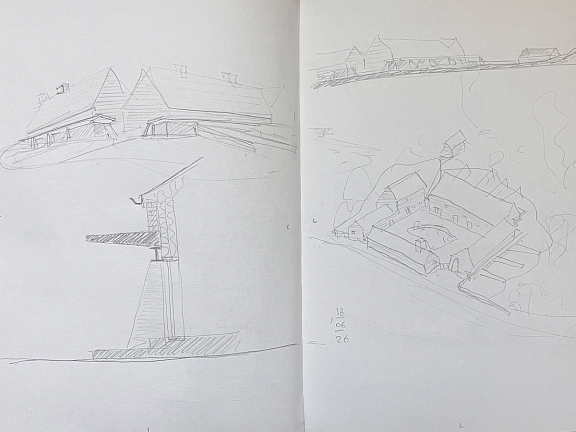
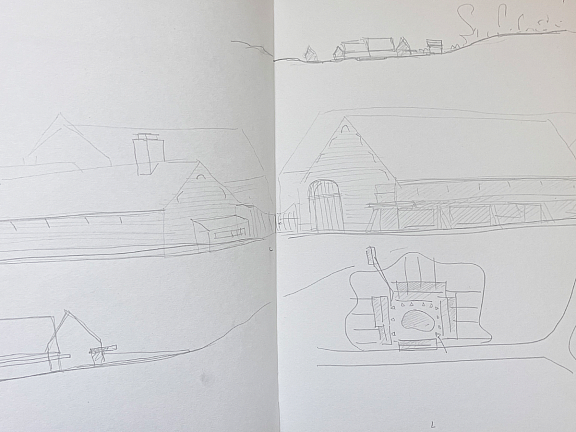
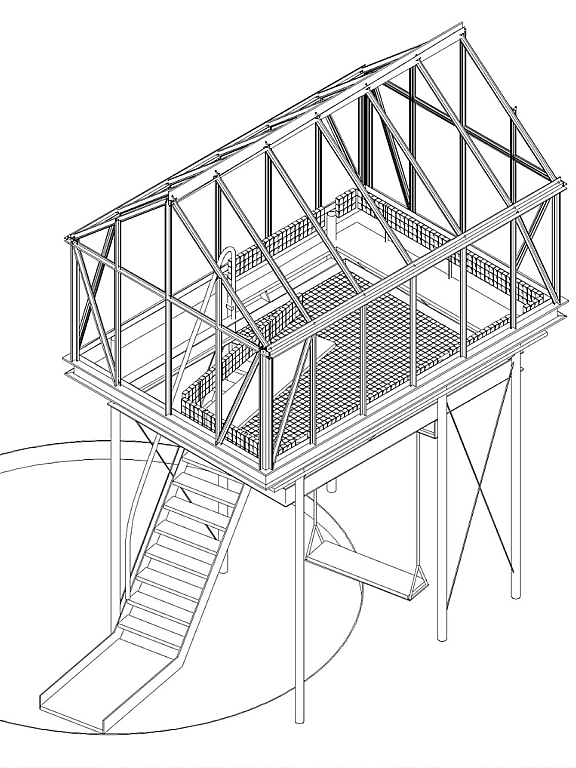
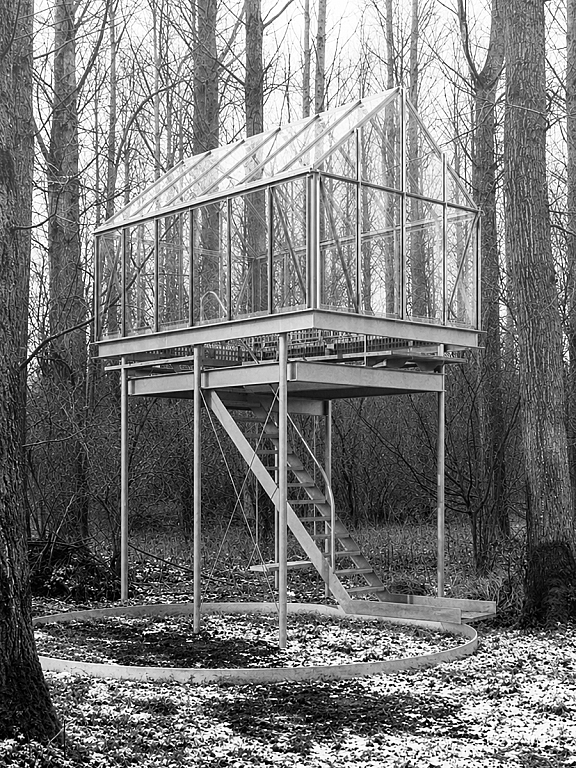
ART PAVILION
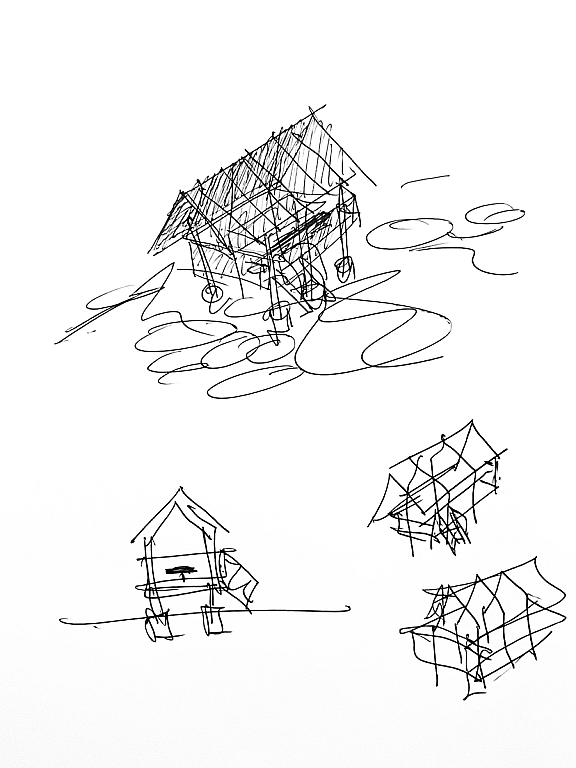
radical
In our culture, there is a prevailing narrative that associates radicalism with danger — a belief that ideas and actions that deviate too far from the familiar, that push too forcefully against tradition, are inherently threatening. This perception, particularly when applied to architecture, is one we must rethink. For architecture is not merely the art of building; it is the art of shaping the very environment that mirrors our ideas, our values, and our aspirations. It is the space in which we live, and in turn, it can shape the way we think, how we feel, and who we aspire to become.
To imagine that radicalism in architecture is a danger to society is to overlook the fundamental role that innovation and change have always played in the advancement of civilization. The most important moments in architectural history were not defined by a cautious adherence to the past, but by a willingness to question, to challenge, and to reimagine what was possible. Think of the revolutionary impact of the Gothic cathedrals reaching for the divine with light and height. The boldness of Modernism wich embraced clarity, function, and a new social order. Or the raw and honest beauty of Brutalism.
Radicalism, in this sense, is not a threat — it is a necessary catalyst for growth. Without it, we risk stagnation. Without the willingness to disrupt the status quo, architecture becomes an echo of itself, a safe reproduction of what has come before, devoid of the power to inspire, to move, or to challenge the way we think about our surroundings. What is truly dangerous, then, is not the radical idea, but the complacency that accompanies its rejection. For in rejecting the possibility of radical change, we deny ourselves the opportunity to evolve, to expand our thinking, and to create spaces that reflect the aspirations of a new era.
What architecture teaches us is that the act of building is an act of vision. It is an invitation to imagine the world as it might be, not merely as it is. And to imagine the future, we must be willing to step outside the conventional frameworks of the present. We must have the courage to reimagine the spaces in which we live, to create structures that do not simply house us, but that challenge us, provoke us, and inspire us to think differently about who we are and what we might become.
Radical architecture is not about rejecting the past, but about using it as a foundation from which to leap into the future. It is about understanding that every era is defined not by its adherence to tradition, but by its capacity to innovate, to question, and to re-envision the possibilities of the built environment. Just as a society progresses through its ideas, its art, its technology, so too does it progress through its architecture. We should no longer fear radicalism, for it is through the daring ideas of today that the cities and spaces of tomorrow will be born. Rather than seeing radical architecture as a threat, we should embrace it as a vital force that drives us toward a better, more thoughtful, and more inspiring world.